Introduction
When it concerns fencing choices, property owners frequently discover themselves at a crossroads. Choosing the right type of fence can be as overwhelming as picking the ideal shade of paint for your living-room. Two popular options that regularly come up in conversations are Colorbond fences and conventional fencing. Each type has its own distinct benefits and disadvantages, but which one genuinely rules supreme? In this post, we will embark on an adventurous journey through the landscape of fencing alternatives to determine, once and for all, Colorbond Fences vs. Conventional Fencing: Which is Better?
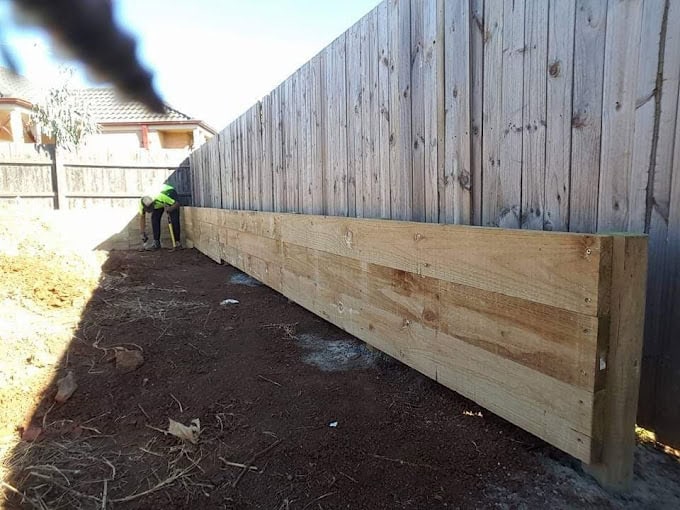
Colorbond Fences: An Overview
What is a Colorbond Fence?
A Colorbond fence is a modern fencing solution made from premium steel covered with a resilient finish. It uses house owners a smooth look and remarkable longevity. The charm lies not simply in its aesthetic appeal however likewise in its durability versus severe weather conditions.
Key Features of Colorbond Fencing
- Durability: Unlike wood or vinyl, Colorbond steel fences do not warp, rot, or rust. Variety of Colors: Available in numerous colors to complement any home design. Low Maintenance: Requires very little upkeep compared to traditional wood fences. Fire Resistance: Made from non-combustible products, providing safety benefits.
The Manufacturing Process
The production of Colorbond steel includes several actions:
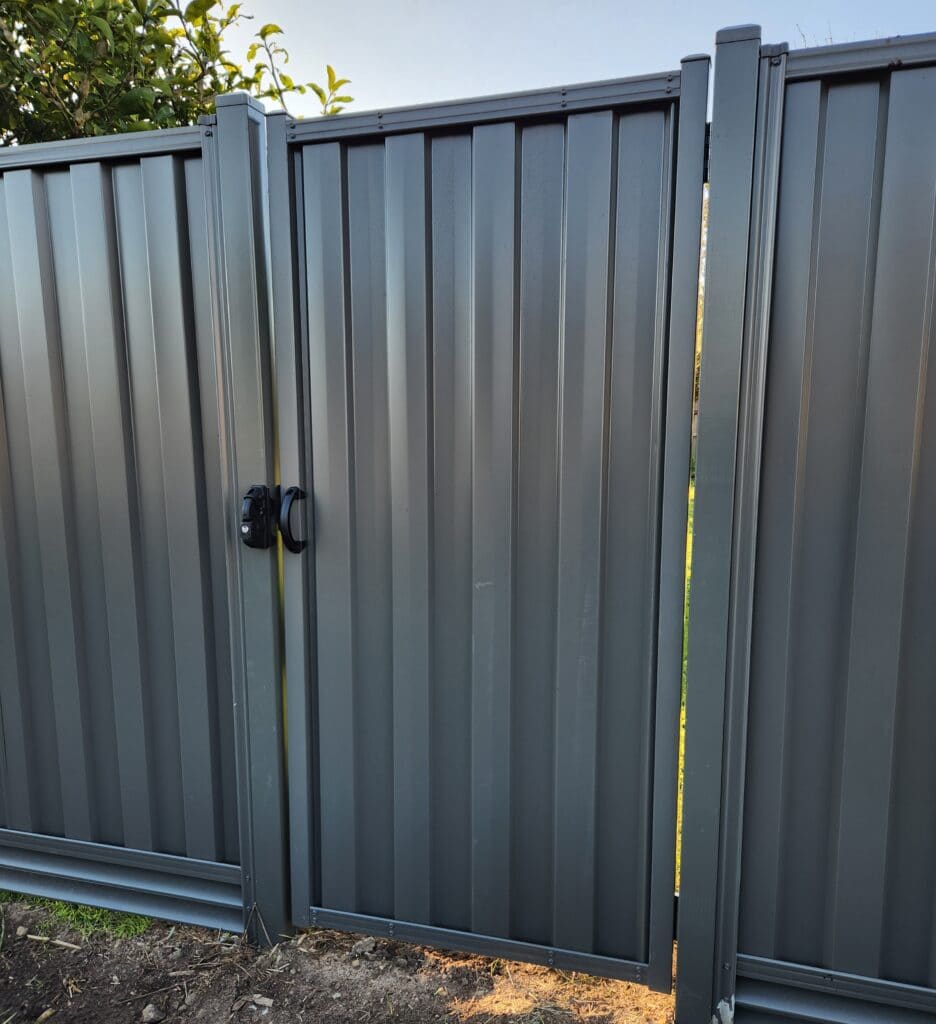
This precise procedure makes sure that each panel can withstand the test of time while keeping its visual appeal.
Traditional Fencing: An Overview
What Constitutes Traditional Fencing?
Traditional fencing usually consists of wood or vinyl options that have actually been used for years. These products provide a classic appearance but come with their own set of challenges.
Key Features of Standard Fences
- Natural Aesthetic: Wood fences supply warmth and blend effortlessly into natural landscapes. Customizable Designs: Can be integrated in various designs that show personal tastes. Eco-Friendly Options: Lots of wood fences are sourced sustainably.
Common Materials Used
Wood: Cedar, pine, and redwood are popular options due to their natural appearance. Vinyl: Provides a more modern-day appearance while being resistant to fading and warping.Colorbond Fences vs. Conventional Fencing: Toughness Comparison
Lifespan of Colorbond vs. Wood
When considering resilience, there's no contest; https://parapetfencing.com.au/ Colorbond fences outlast most standard alternatives by years. A well-installed Colorbond fence can last over 30 years with minimal upkeep, whereas wooden fences generally need replacement every 10 to 15 years due to rot or insect damage.
Resistance to Weather Conditions
Weather Resistance Table
|Condition|Colorbond Fence|Conventional Wood Fence|| -------------------|-----------------|------------------------|| Rain|Outstanding|Poor (can rot)|| Sunlight|Excellent|Moderate (can fade)|| Wind|Exceptional|Moderate (can break)|| Fire|Excellent|Poor (combustible)|
As showed in this table, Colorbond's weather condition resistance makes it the exceptional option for homes prone to negative weather condition conditions.
Installation Process Comparison
How is Colorbond Fence Installation Done?
The setup of a Colorbond fence installation includes several crucial actions:
Preparation: Marking borders and clearing debris. Setting Posts: Installing resilient steel posts into concrete footings. Panel Installation: Attaching pre-made panels quickly and easily.
Challenges in Putting up Standard Fences
Installing standard wooden or vinyl fences typically requires more labor-intensive processes:
Custom-cutting panels Ensuring posts are level Regular upkeep checks during installationThis complexity can cause increased labor expenses when hiring an expert installer.
Cost Analysis Between Colorbond and Traditional Fencing
Initial Investment
While the initial expense for installing a Colorbond fence may be greater than that of standard wood or vinyl choices, it's necessary to think about long-term savings due to less maintenance:
Cost Breakdown Table
|Type|Preliminary Expense Price Quote|Maintenance Expense per Year|| -------------------------|------------------------|---------------------------|| Colorbond Fence|$75 - $100 per meter|$20|| Conventional Wooden Fence|$60 - $80 per meter|$200|
As showed here, although you might pay more upfront for a Colorbond fence, your savings on maintenance costs will stack up over time.
Aesthetic Appeal and Style Flexibility
Visual Impact of Colorbond Fences
With their streamlined lines and modern surfaces, Colorbond fences provide contemporary appeal suited for different architectural designs-- whether it's an urban loft or suburban home.
Traditional Wood's Timeless Charm
On the other hand, nothing beats the classic beauty that wooden fences give the table! Their ability to blend into natural surroundings makes them a long-lasting favorite amongst house owners looking for rustic aesthetics.
Environmental Considerations
Eco-Friendliness of Colorbond
Manufactured from recyclable products and needing little energy for upkeep functions makes the Colorbond choice eco-friendly!
Sustainability of Wood
Conversely, properly sourced wood can also be sustainable-- but remember that ongoing treatments may include chemicals damaging to nature!
FAQs About Colorbond Fences vs. Conventional Fencing
Are Colorbond fences more expensive than wooden ones?
Yes; however, they require less upkeep gradually which offsets those preliminary costs.
How do I discover a reliable Colorbond fence company?
Try to find regional reviews online or ask neighbors who've had similar installations done!
Can I install my own Colorbond fence?
While do it yourself is possible if you're handy enough-- hiring experts like a Colorbond fence contractor makes sure quality craftsmanship!
What colors are readily available in the Colorbond range?

How often needs to I keep my wood fence?
Regularly inspect every year; use preservatives every 2 years at minimum!
Do I need council approval for either type?
Always examine regional guidelines prior; lots of locations have particular guidelines around height or products used!
Conclusion
In conclusion, when weighing your alternatives for fencing solutions between Colorbond fences and traditional options-- it ends up being clear that each has its benefits depending on specific preferences! However-- when thinking about durability, low upkeep needs & & aesthetic versatility-- it's hard not to lean towards Colorband as an outstanding choice! All set to start? Consult with your local Colorband fence installer today!